
North and South Vietnam are distinct in many ways. From landscape and climate to culture, cuisine, and history. While South Vietnam, with Ho Chi Minh City (Saigon) as its heart, is more dynamic, cosmopolitan, and tropical. The region embraces a more entrepreneurial spirit, influenced by decades of French. And later American presence. Southern Vietnam is known for its laid-back vibe, friendly locals, vibrant street food culture. And colorful floating markets in the Mekong Delta. The food here is sweeter and bolder in flavor. Using more sugar and coconut-based ingredients.
While in contrast, the North, centered around Hanoi, is known for its cooler climate, traditional values, and strong cultural roots. It’s the cradle of Vietnamese civilization, home to ancient temples, old dynastic capitals like Hue, and poetic landscapes such as Sapa, Ha Long Bay, and Ninh Binh. The culture here tends to be more reserved and shaped by Confucian influence, with cuisine that is subtle, balanced, and herb-forward.
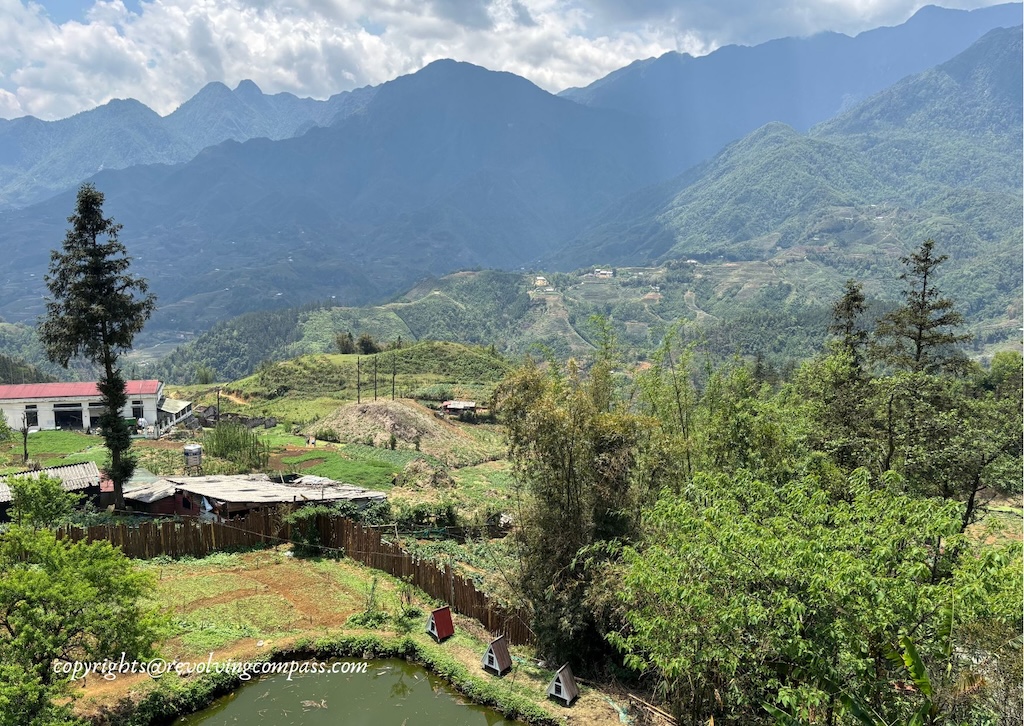
I could clearly see the distinction as I transitioned on my own Vietnam Trip itinerary, starting from South Vietnam and gradually moving towards the North. So, here I present to you my one week of exploring North Vietnam – places, people, things to do, food to try and everything else.
A week exploring North Vietnam
The highlights of my one week exploring North Vietnam were –
- Exploring the architectural, cultural and natural places in and around Hanoi across 4 days – 2 before leaving for Sapa and 2 upon returning back from Sapa.
- A day trip to the famous Ha Long Bay
- A couple of days trip from Hanoi to Sapa
- Half a day exploring the Bat Trang Pottery Village near Hanoi
Here’s a summary of the trip we did :
Hanoi -> Ha Long Bay (day trip from Hanoi) -> Sapa -> Hanoi -> Bat Trang Pottery Village (half day trip from Hanoi)
If you have more time at hand, you can as well explore Ninh Binh.
Exploring Hanoi – the capital of Vietnam
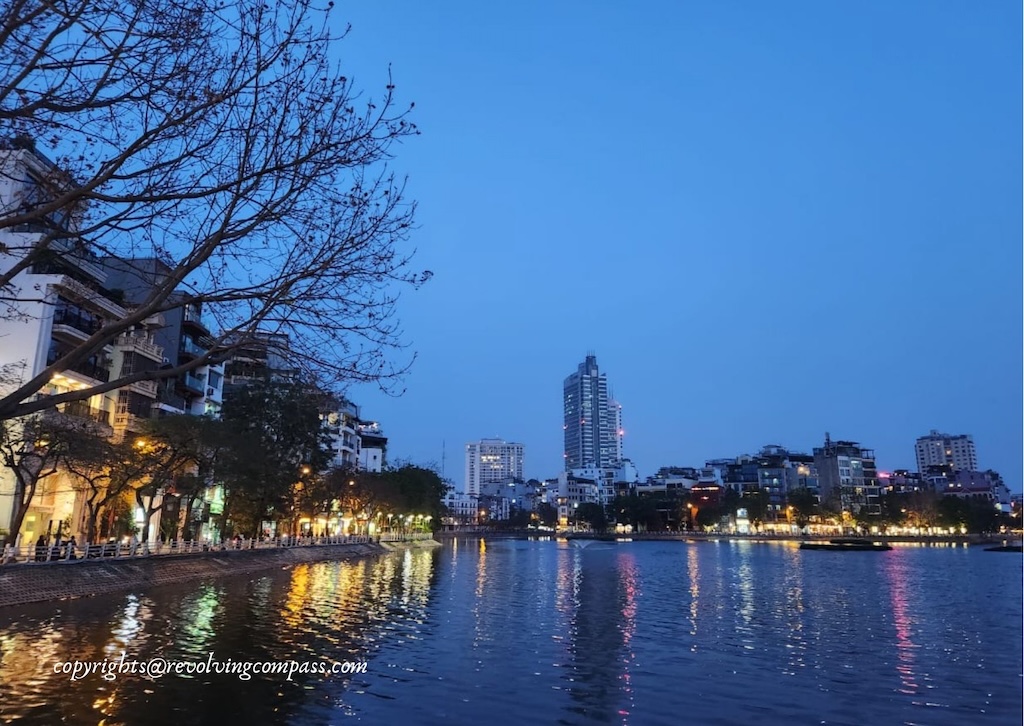
As we arrived in Hanoi, it was a transition from the skyscrappers witnessed across Ho Chi Minh, Nha Trang and Da Nang to individual houses, narrow lanes and more laid back lifestyle. Our airbnb host welcomed us with an early check-in. And post dumping our luggage in the apartment, we headed out straight for lunch. Navigating along the boundary of the West Lake – the largest lake in Hanoi.
We spent the rest of the day today and the next day visiting iconic places in Hanoi, exploring it’s buzzing old markets. And trying vegetarian cuisines. Some of the places that we explored in these two days and then upon returning from Sapa included :
-
Ho Chi Minh Mausoleum
-
Presidential Palace, Ho Chi Minh Mausoleum Complex
-
One Pillar Pagoda
-
Temple of Literature
-
Old Quarter (Hoàn Kiếm District)
-
Hoàn Kiếm Lake
-
Ngọc Sơn Temple
-
Train Street Vietnam
- Tran Quoc Pagoda
Ho Chi Minh Mousoleum
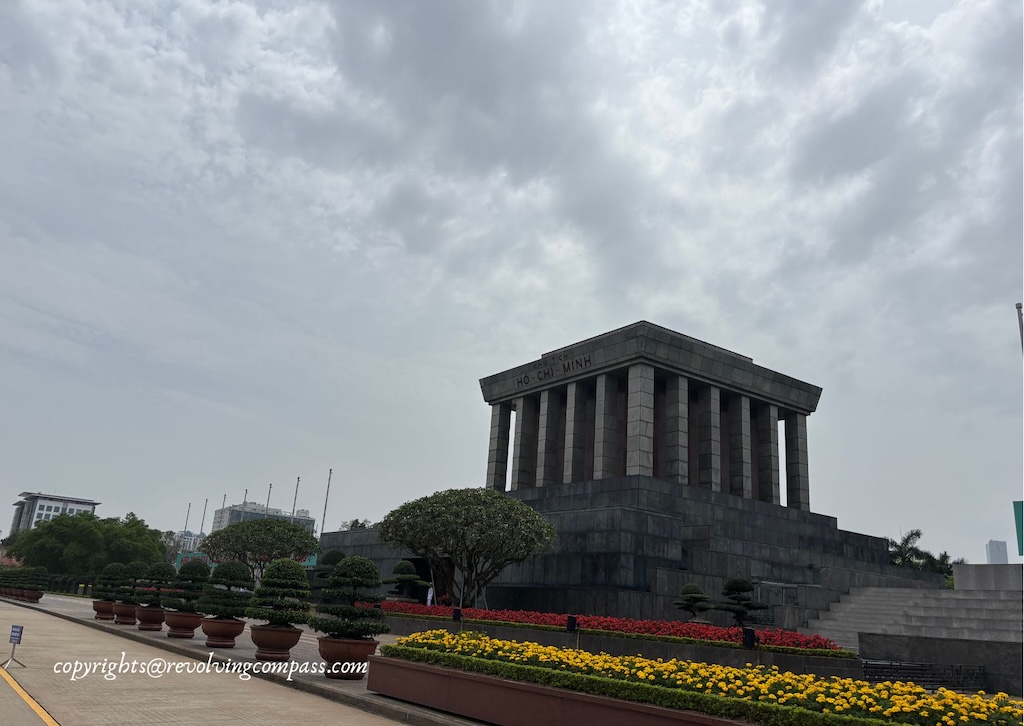
Ho Chi Minh Mausoleum is a monumental complex dedicated to Vietnam’s beloved revolutionary leader. The marble structure houses the embalmed body of Ho Chi Minh and reflects the nation’s deep respect for “Uncle Ho.” The surrounding complex includes the Presidential Palace, Ho Chi Minh’s Stilt House, and the One Pillar Pagoda — a small but iconic temple rising from a lotus-shaped pillar.
One Pillar Pagoda
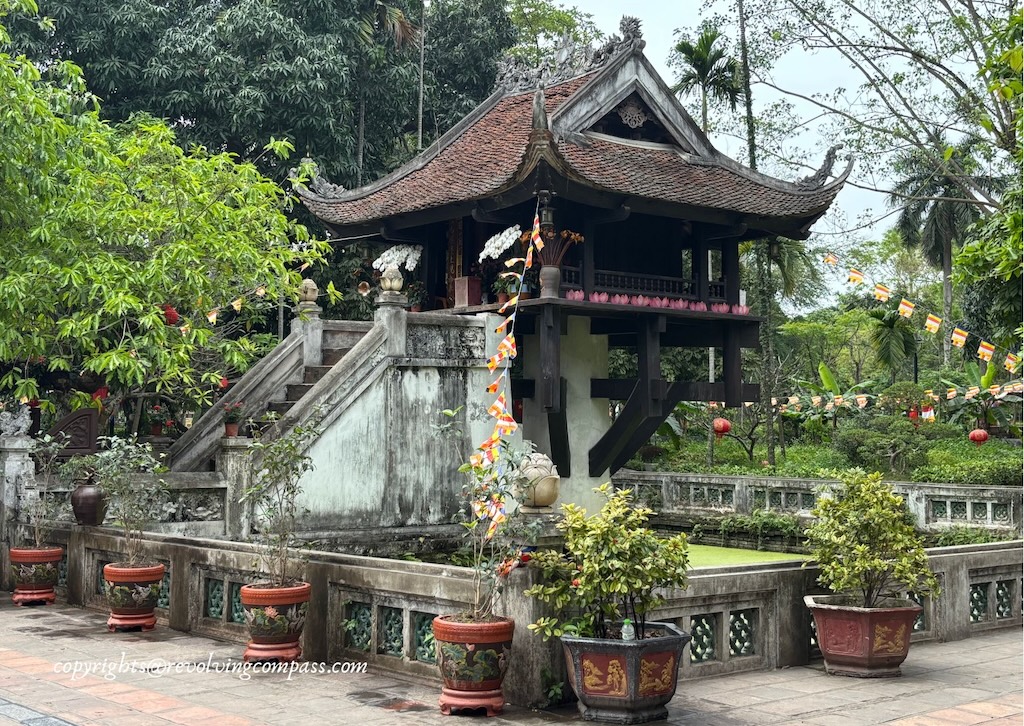
The One Pillar Pagoda in Hanoi is one of Vietnam’s most iconic and unique architectural landmarks. Built in 1049 during the reign of Emperor Lý Thái Tông, it was designed to resemble a lotus blossom emerging from the water—a symbol of purity in Buddhism. The structure stands on a single stone pillar in the middle of a lotus pond, with a small wooden shrine on top dedicated to the Bodhisattva of Compassion. According to legend, the emperor built it after dreaming of the goddess handing him a son while seated on a lotus, and soon after, he had a child. The pagoda has been reconstructed several times, but it still remains a popular site for worshippers and visitors seeking blessings for health, luck, and fertility. It’s located near Ho Chi Minh Mausoleum, making it easy to include in a Hanoi sightseeing itinerary.
Temple of Literature
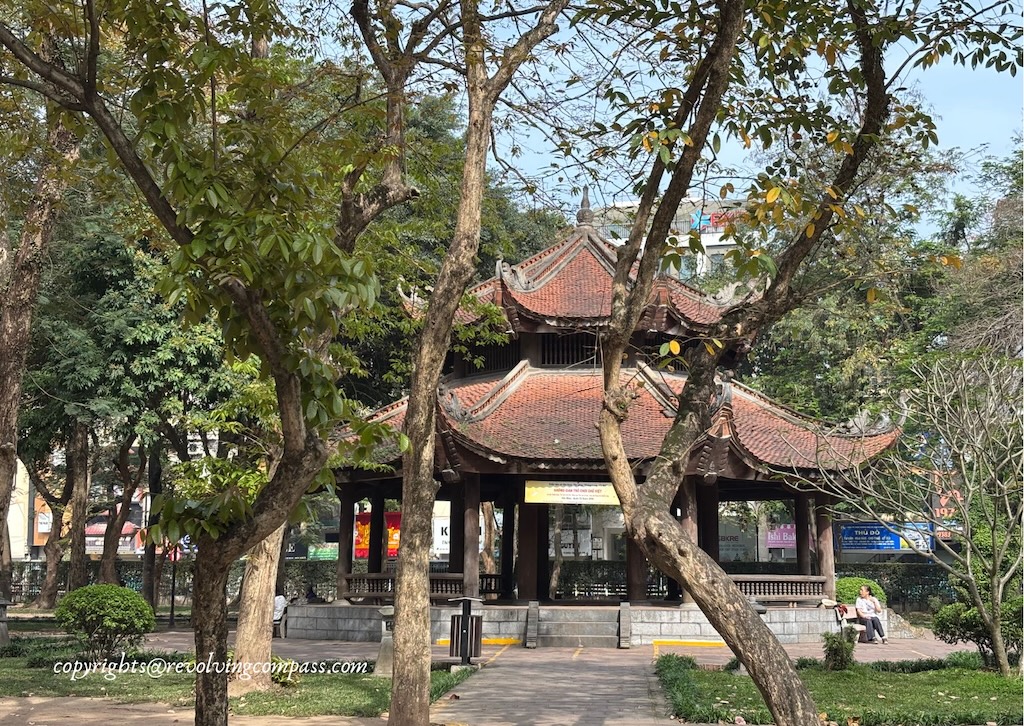
It is Vietnam’s first national university, dating back to 1070. Dedicated to Confucius and scholars, the temple is a peaceful sanctuary filled with courtyards, stone steles, and ancient architecture. It’s a perfect place to explore the intellectual and spiritual legacy of Vietnam while enjoying a quiet break from the city buzz. Particularly interesting is visiting here early in the morning. When the environment both inside and outside the temple is so tranquil.
Old Quarters of Hanoi
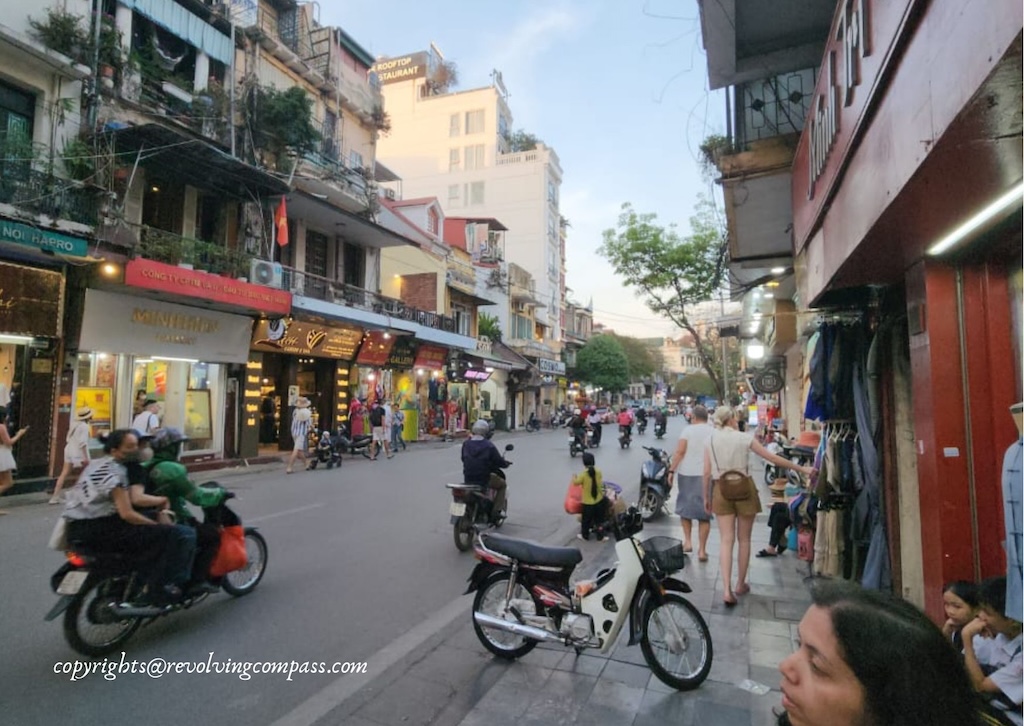
This maze of 36 ancient streets is famous for its narrow alleyways, colonial buildings, and bustling street life. Enjoy local street food like pho, bun cha, and egg coffee, shop for handicrafts, or simply soak in the organized chaos that defines Hanoi’s charm.
Hoan Kiem Lake & Ngoc Son Temple
Begin your second day with a morning walk around Hoan Kiem Lake, the heart of Hanoi. This serene spot is perfect for people-watching and photography, especially at sunrise. Visit Ngoc Son Temple, located on a small island accessed by the iconic red-painted Huc Bridge. The lake is steeped in legend — particularly the tale of the magical sword returned to the Golden Turtle God.
Tran Qouc Pagoda
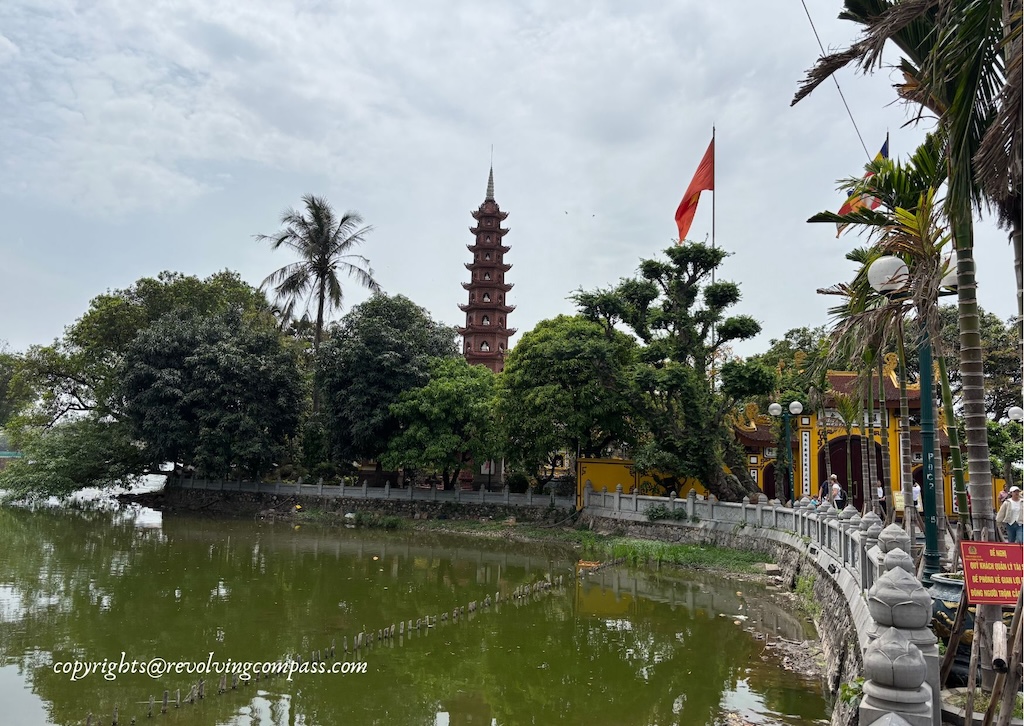
It is the oldest Buddhist temple in Hanoi. And is situated on a small islet in West Lake. Its peaceful setting, elegant stupa, and spiritual ambiance make it a wonderful morning visit. It’s especially beautiful during early hours when monks are at prayer and the lake is calm.
Train Street, Hanoi, Vietnam
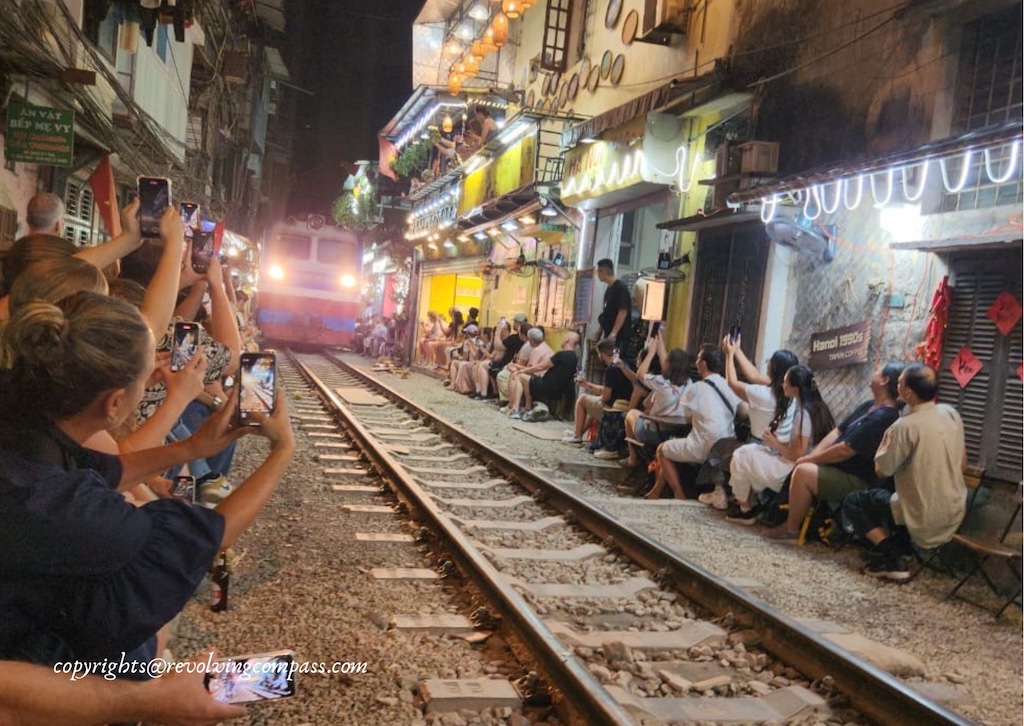
One of the most famous and most enthralling experience right in the heart of Hanoi is to visit the train street Hanoi. Where trains pass just inches from residential buildings — a thrilling, must-see photo spot. I am sure if you are a traveler, you must have come across pictures, reels and videos of the train street in Hanoi. But, this is something you have to experience yourself to understand. My kids were so thrilled, they wanted to return to train street every evening for the rest of our stay in Hanoi 😀 !!
Here’s a detailed experience of our experience at train street Vietnam
Hanoi to Ha Long Bay day trip

After spending a couple of day in Hanoi, we did a day trip to Ha Long Bay from Hanoi. Ha Long Bay is a must visit when exploring North Vietnam. A day trip to Ha Long Bay from Hanoi offers a stunning escape into one of Vietnam’s most breathtaking natural wonders. Located about 160 kilometers (100 miles) from Hanoi, Ha Long Bay is famous for its emerald waters and thousands of towering limestone islands topped with lush greenery. Though a longer day trip (typically 2.5 to 3 hours each way), most tours include a comfortable transfer, a scenic cruise through the bay, a fresh seafood lunch on board, and stops at key sights like.
Sung Sot Cave (Surprise Cave): Natural caves with stalagmite formations, large cretes and natural water sources inside.
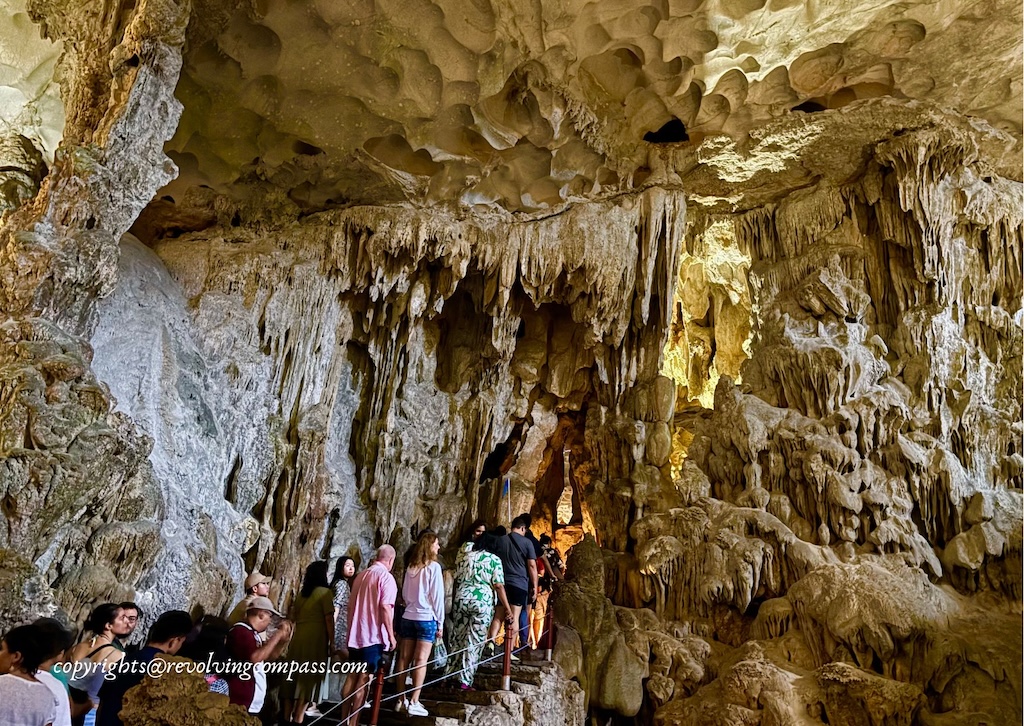
Ti Top Island: for swimming and panoramic views.
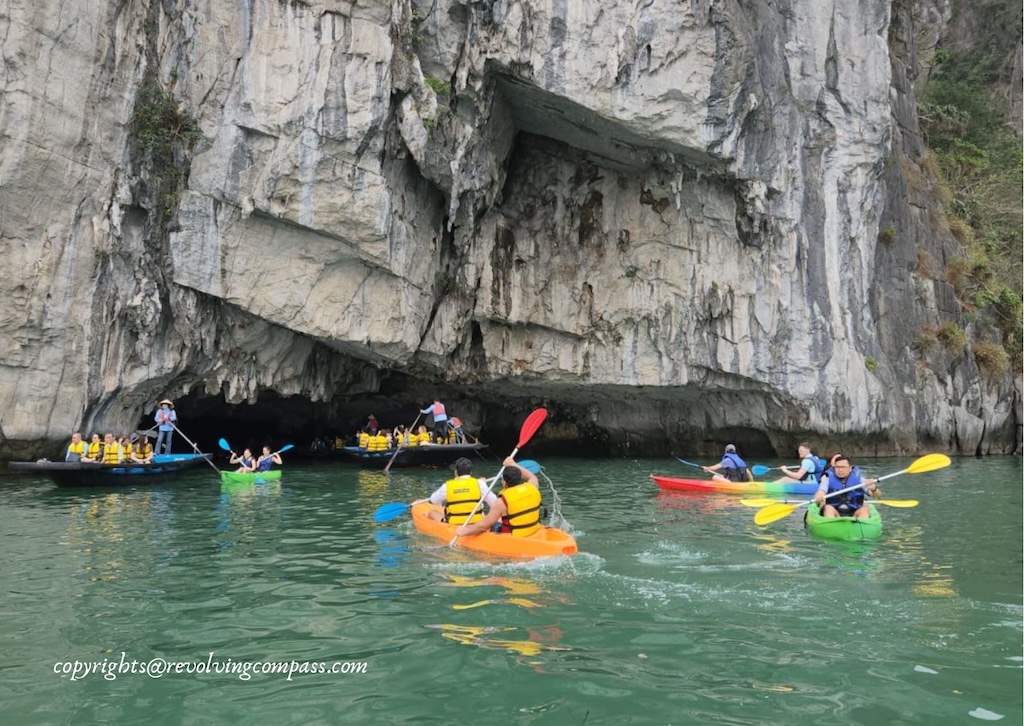
Kayaking or bamboo boat rides through quiet lagoons and floating villages.
Before your cruise starts, you can as well visit a Pearl Museum and Factory near the Halong Bay Cruise Port.
It’s a full but unforgettable day that gives you a glimpse of Vietnam’s UNESCO-listed coastal beauty — perfect for travelers short on time but eager to witness Ha Long Bay’s magic.
Journey to Ha Long Bay from Hanoi
Overall, it takes around 2.5 hours to travel from Hanoi to Ha Long Bay. And a similar amount of time back. So this will be one of the longest days of your trip. But totally worth it. You can also stay overnight in Ha Long Bay. I could see a lot of hotels and resorts in the bay areas. And then there are overnight cruise trips for Ha Long Bay available as well. But we felt they were very pricy compared to the day cruises. When at night time the cruises anyways remain halted over the water. Just like the Kerala backwater boats or the houseboats of Dal Lake in Kashmir that we have experienced before. So, we went for a day cruise only.
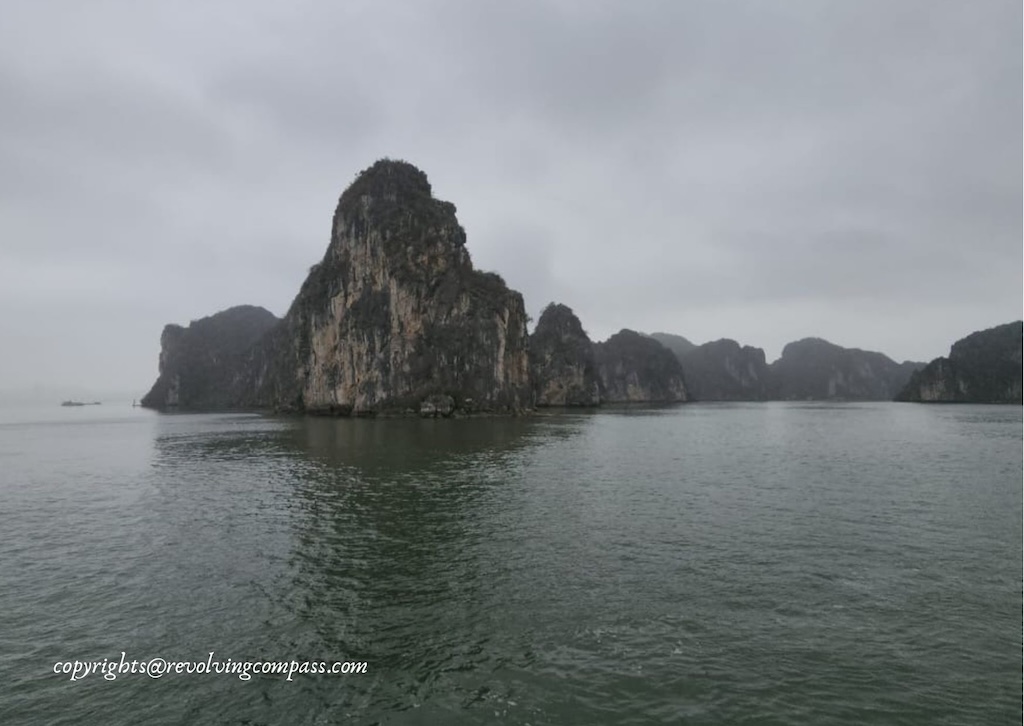
Again, for a day cruise on Ha Long Bay there are several option of cruises available. We selected this one from Klook as the ratings and reviews were strong and it was moderately priced. You can check more options here: Ha Long Bay day cruises listing on Klook.
Hanoi to Sapa 2 days trip
From Hanoi, we did a 2 days trip to Sapa – the beautiful little hill station in North Vietnam.
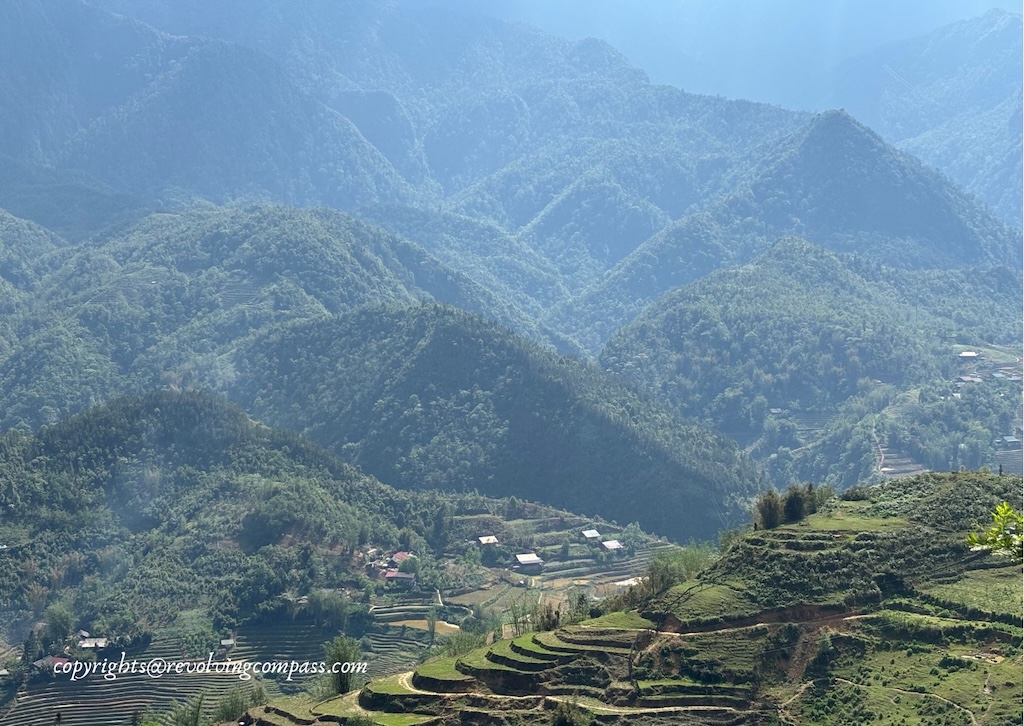
A 2-day trip to Sapa from Hanoi is a perfect getaway into the breathtaking landscapes and vibrant hill tribe culture of northern Vietnam. And a must do when when exploring North Vietnam, if time permits. Located about 320 kilometers from Hanoi, Sapa is best reached by an overnight train or bus, allowing travelers to wake up amidst terraced rice fields, misty valleys, and towering mountains. The itinerary often includes a trek through ethnic minority villages such as Lao Chai, Ta Van, or Cat Cat, where visitors can interact with the Hmong, Dao, or Tay communities and experience their traditional way of life. On the second day, explore Fansipan Mountain, the “Roof of Indochina,” via a scenic cable car ride, or hike to Silver Waterfall or Heaven’s Gate for panoramic views. With its cool climate, rich culture, and dramatic scenery, a short Sapa trip offers a memorable contrast to the urban pace of Hanoi.
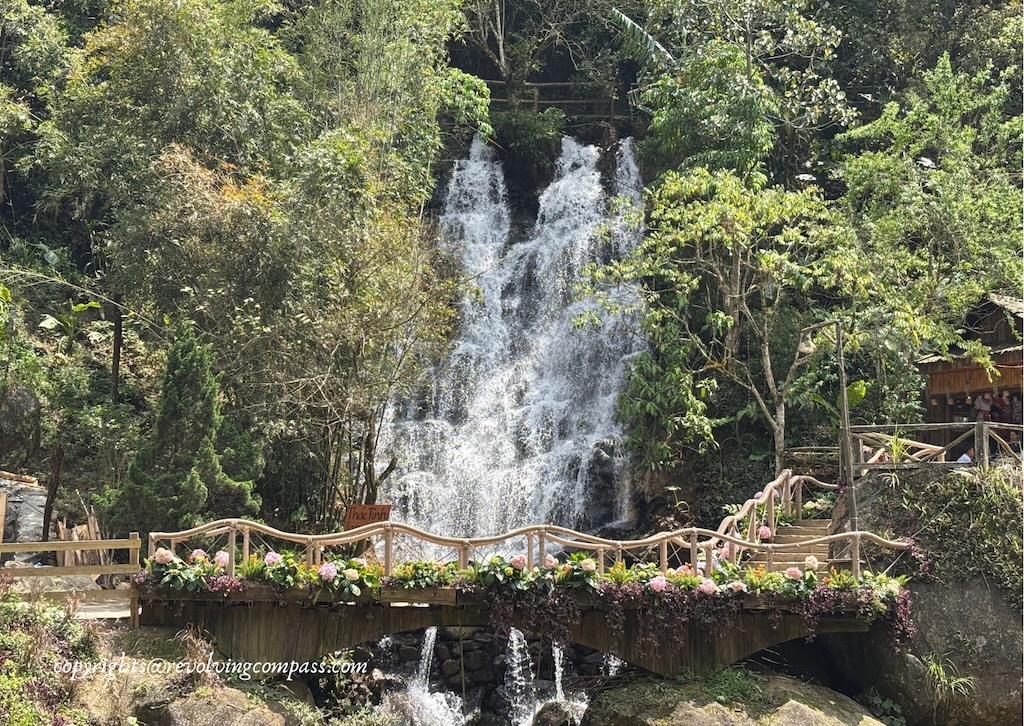
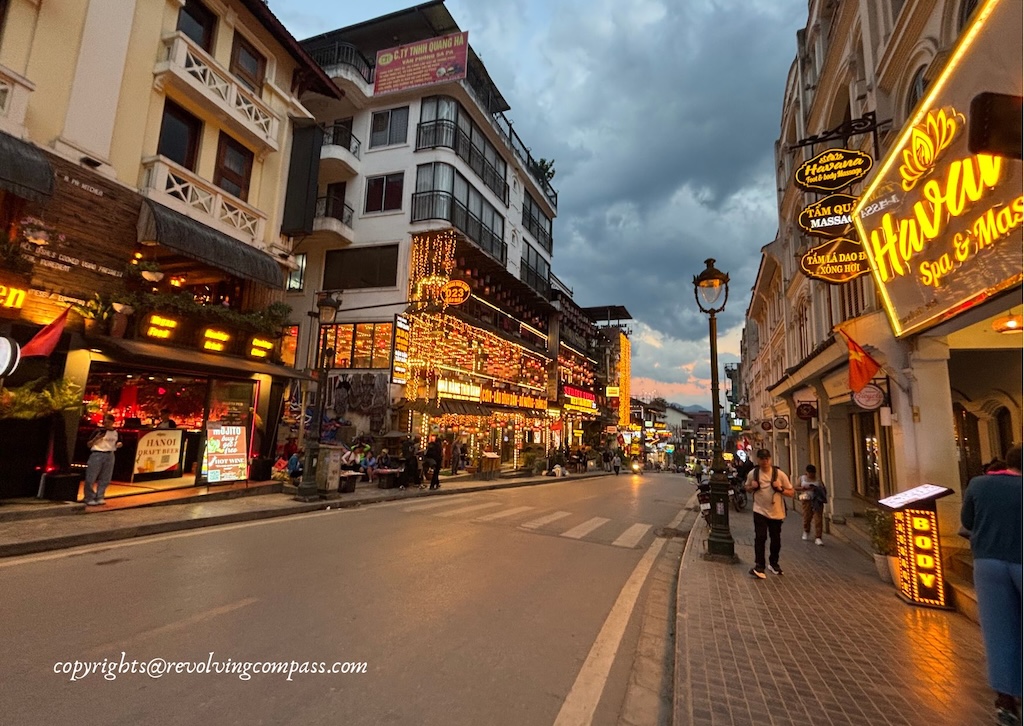
We stayed in a hotel in central Sapa.
Travel options from Hanoi to Sapa
For transport, we had booked a round trip cab from Hanoi to Sapa from Klook. Although there are good public transport available while when exploring North Vietnam, including from Hanoi to Sapa. Including trains, limousines from Hanoi to Sapa. And overnight buses from Hanoi to Sapa. If you are single or just 2 people then taking the public transport makes more sense as it will be more economical. And you can save more time traveling overnight.
Places visited in Sapa
On our trip to Sapa, we visited the following places –
- Cat Cat Village – a scenic Vietnamese village themed park full of instagram worthy spots and local handicrafts.
- Heaven’s Gate
- Pet farm which was very near to our hotel
- Central Sapa Market (and also saw some live performances in the Sapa Auditorium towards the evening)
- Moana Sapa – a beautiful cafe plus park with panoramic views around and countless instragram worthy picture spots
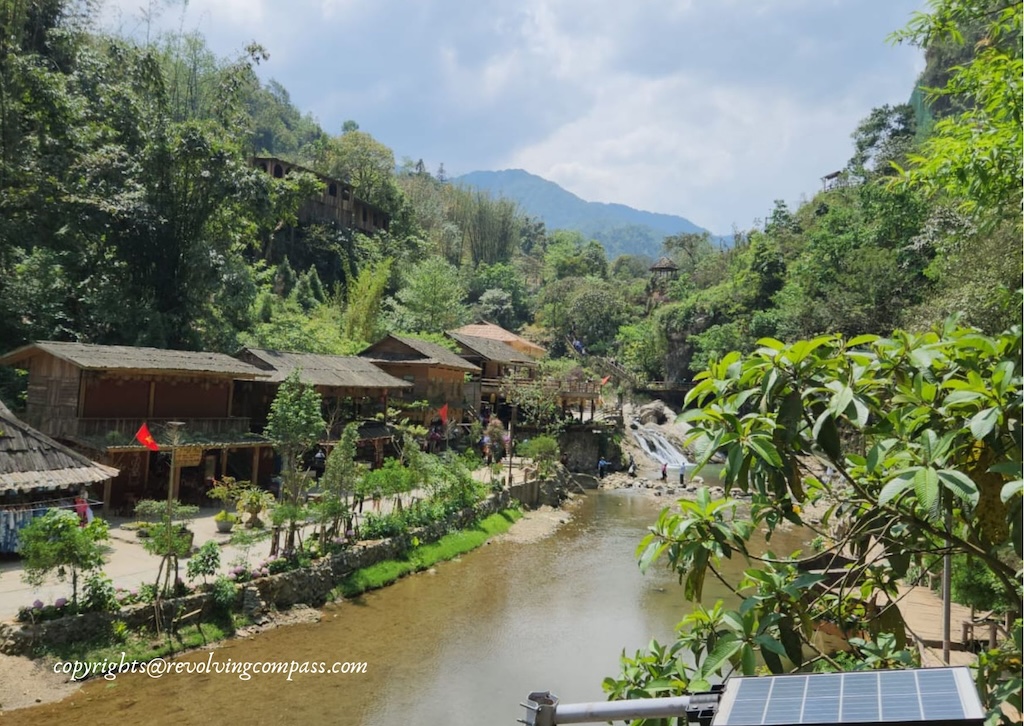
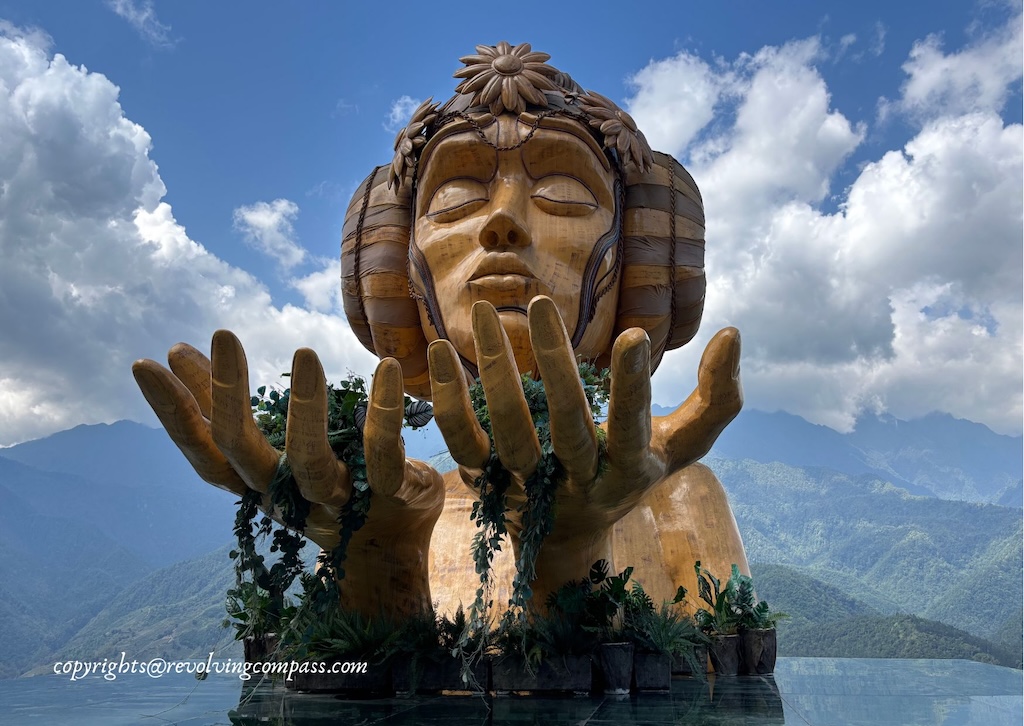
We skipped Fancipan Mountain and the cable car ride to it. Because we had already experienced something very similar on our trip to BaNa Hills from Da Nang previously on this trip while we were exploring central Vietnam. And also on our trip from Nha Trang to Hon Tre Island on a cable car that goes across the sea! But if you haven’t experienced these, then you should definitely keep a trip to Fancipan Mountain and the Big Buddha on the top – on your list of things to do in Sapa.
Day trip to Bat Trang Pottery Village from Hanoi
After returning from Sapa, and another day of exploring Hanoi. Finally, we set on a half day trip to the Bat Trang Pottery Village from Hanoi. We simply booked a grab taxi from Hanoi and reached Bat Trang Pottery Village in around half an hour. The fare was around INR 1000/- one way.
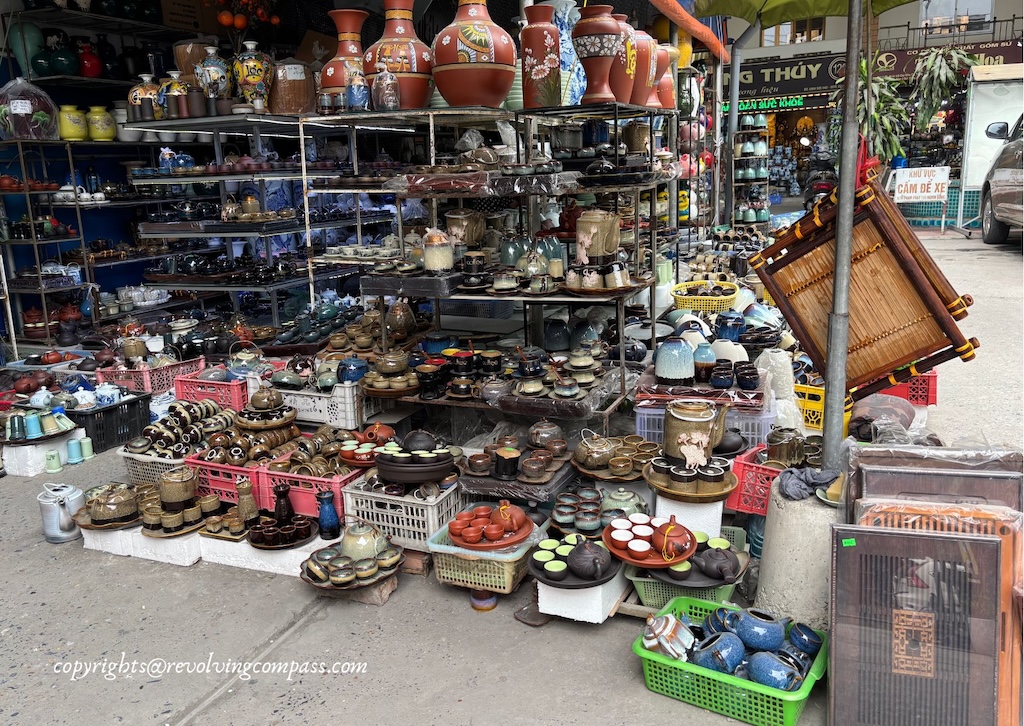
A delightful cultural experience just 13 kilometers (8 miles) southeast of the city center. Nestled along the Red River, Bat Trang is one of Vietnam’s oldest and most renowned craft villages, famous for its high-quality ceramics and pottery-making traditions that date back over 700 years. Visitors can stroll through narrow lanes lined with ceramic shops, watch artisans shaping and painting pottery by hand, and even try their skills at the potter’s wheel in hands-on workshops. The village also has a small market and a ceramic museum showcasing traditional designs and techniques. It’s a perfect half- or full-day excursion for those interested in Vietnamese craftsmanship, local heritage, and unique souvenirs — all within easy reach of Hanoi.
Our experience visiting Bat Trang Pottery Village
From near the museum you can take a buggy ride to the village shops. It’s more of an open air shopping complex with interwinding lanes and shops full of typical Vietnamese pottery on both sides. These included silverware, show pieces, very tiny animal figurines, spoons, forks, kids special ceramic items, cups and mugs, chinese tea sets, large vases and figurines etc. The prices here are very reasonable and bargaining is a must. Language might be a challenge because unlike central Vietnam, noone understands a bit of english here. So, they basically type the price on their calculator and show you. If you don’t agree, you type your price and show them. And once both arrive on a common ground, the exchange happens !!
The prices are really competitive. I could see some coffee mugs for as low as INR 10!! Do visit here when exploring North Vietnam, if you can spare some extra time from Hanoi and Ha Long Bay!
Overall it was a delightful experience visiting the Bat Trang Pottery Village.
If you would like a guided tour, you can checkout this Bat Trang guided tour from Hanoi.
Summary of our North Vietnam Trip
| Day 1. | Arrival in Hanoi
Visited : Tran Quoc Pagoda, One Pillar Pagoda, Ho Chi Minh Mausoleum |
| Day 2 | Explored the Temple of Literature, old quarters of Hanoi, Hoan Kiem Lake & Ngoc Son Temple. Did some shopping in the old quarters, enjoyed some of the famous Vietnamese coffees like egg coffee and condensed milk coffee |
| Day 3 | A day trip from Hanoi to Ha Long Bay |
| Day 4 | Hanoi to Sapa trip |
| Day 5 | Exploring Sapa |
| Day 6 | Back from Sapa to Hanoi |
| Day 7 | Half day trip to Bat Trang Pottery Village
Later visited Train Street in Hanoi |