Most of the visitors who are on a Vietnam trip itinerary end up in Da Nang at some point of their trip. And while in Da Nang, they explore the world famous beaches of Da Nang, the nearby romantic old town of Hoi An, and the Bana Hills – the iconic hill station theme park + cable car experience. While all of these are great, those pressed by time mostly miss on visiting Hue. But not us. During our 4 days trip to Da Nang, we made sure to do a day trip from Da Nang to Hue. And it was such a prefect blend of natural beauty and imperial charm!! So, let me take you on our day trip from Da Nang to Hue. Along with providing all the information on a day trip from Da Nang to Hue. But before that, lets start with an introduction to Hue.
About Hue
Hue is a historic city in central Vietnam, best known as the former imperial capital of the Nguyen Dynasty, which ruled from 1802 to 1945. Situated on the banks of the Perfume River, Hue is renowned for its rich cultural heritage, royal architecture, and tranquil atmosphere. The city’s centerpiece is the Imperial City (a UNESCO World Heritage Site), featuring palaces, gates, temples, and the Forbidden Purple City, all enclosed within ancient walls and moats. Surrounding Hue are the royal tombs, pagodas, and traditional garden houses that reflect the city’s regal past. Hue is also a culinary gem, famous for its refined royal cuisine and flavorful local dishes. With its blend of history, spirituality, and natural beauty, Hue offers a serene and deeply cultural experience for travelers exploring Vietnam’s central region.
Hue is located at a distance of around 100km (2.5 hrs) from Da Nang. And thus it makes for a perfect day trip from Da Nang to Hue. The earlier you start, the better it is. As the whole road trip from Da Nang to Hue is so scenic that you will be tempted to stop multiple times.
Our day trip from Da Nang to Hue
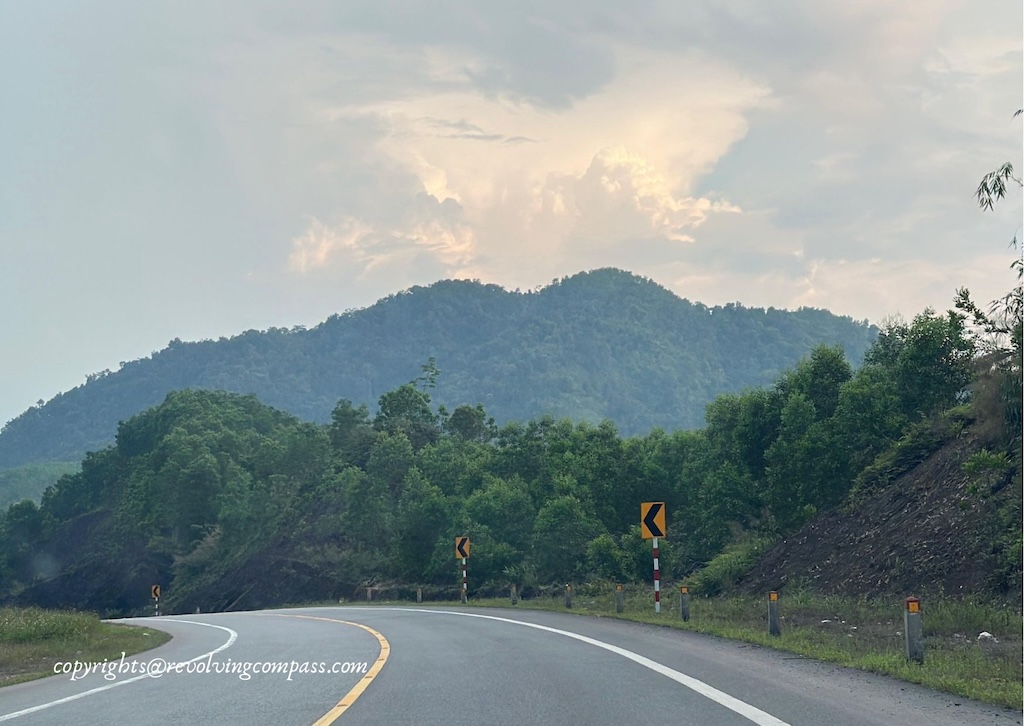
We booked a day trip from Da Nang to Hue via Klook. And started from our accommodation in Da Nang around 8:30am in the morning. As soon as we crossed the boarders of the town, driving along the coast, the climb up the hills started. And soon we were on the winding roads up the hills. And the farther up we went, the clearer and more stunning the views of the coastline of Vietnam and the sea beyond became. Soon we were navigating the famous Hai Van Pass.
Navigating the Hai Van Pass on our day trip from Da Nang to Hue
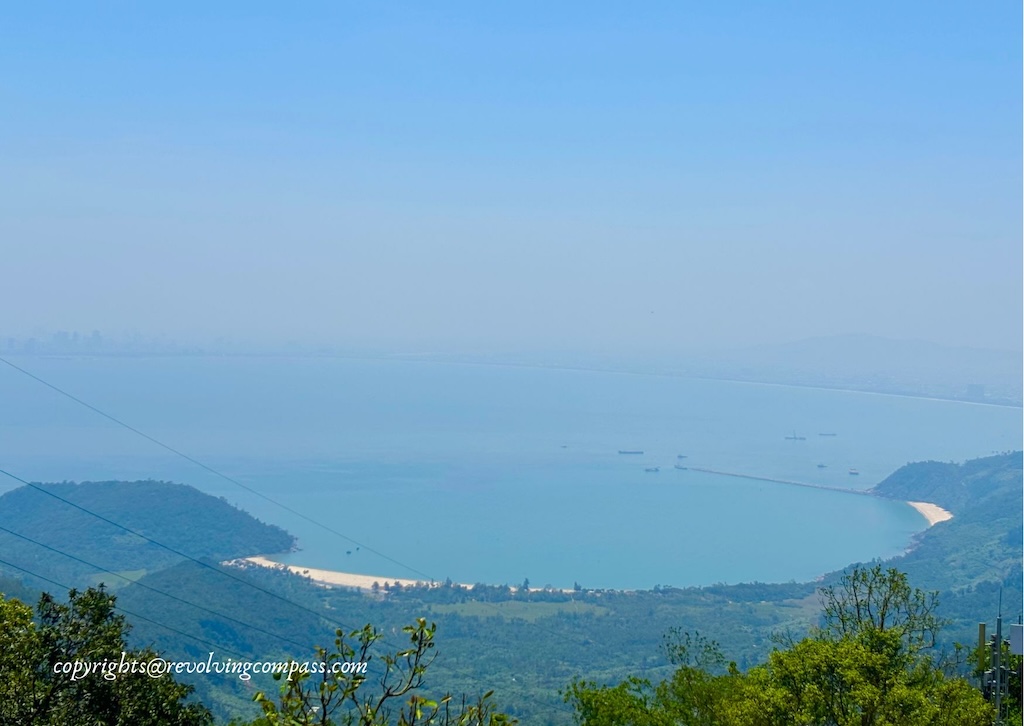
The Hai Van Pass (Vietnamese: Đèo Hải Vân) is one of the most scenic and iconic mountain passes in Vietnam. Known for its breathtaking views, winding roads, and historical significance. It’s a must-see destination for travelers journeying between Da Nang and Hue.
The Hai Van Pass, which means “Ocean Cloud Pass,” stretches for about 21 kilometers (13 miles) along National Route 1A, winding through the Annamite Mountains. It straddles the border between Da Nang and Thua Thien–Hue Province, and reaches an elevation of 496 meters (1,627 feet) above sea level. The name comes from the frequent mists that rise from the sea and cling to the mountains, creating a mystical and dreamy atmosphere.
With views of the South China Sea on one side and lush green mountains on the other, the pass offers one of the most spectacular road trips in Southeast Asia. Along the pass, you’ll find panoramic viewpoints, waterfalls, and old military bunkers from the French and American wars.
French and American War bunkers
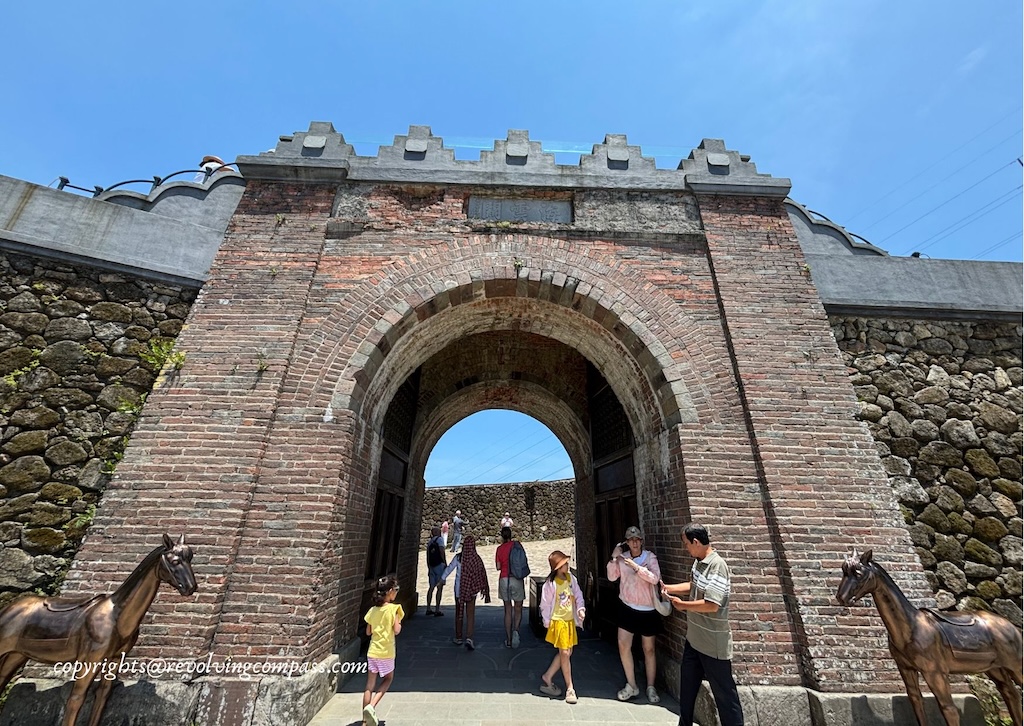
We first stopped at the French and American War bunkers at the summit. You can climb to the top , with 360 degree views all around the mountain. With lush green tropical forests on one side. And the coast and sea on the other. There is also a small gallery built here, depicting the important war time events. After spending around 30 minutes here, we proceeded further.
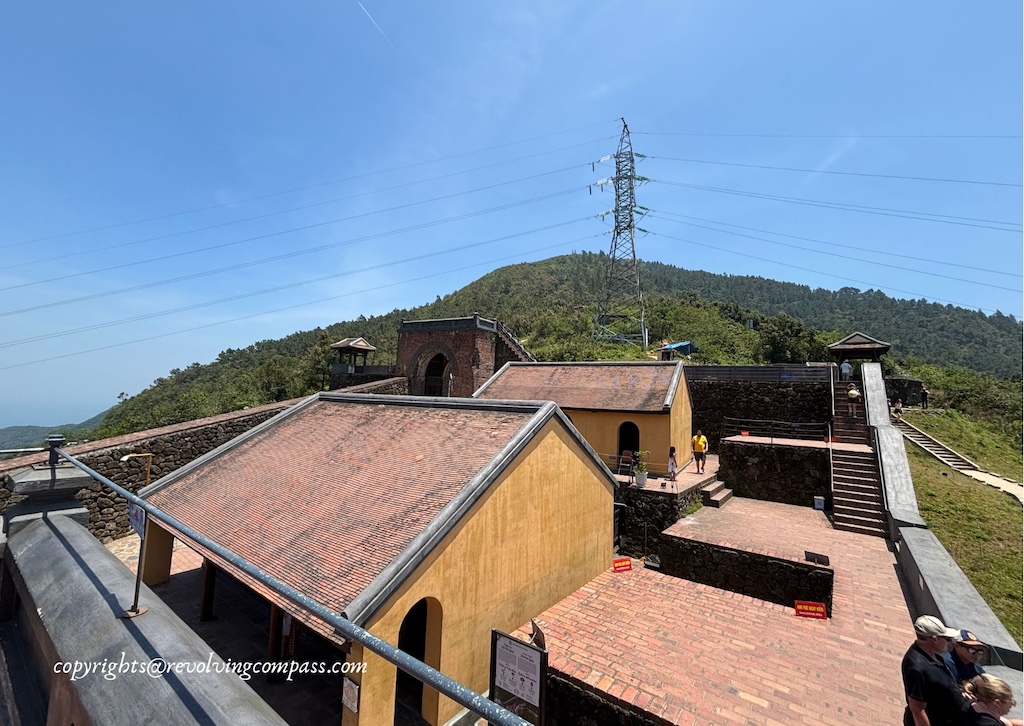
Lang Co Bay
The second of the viewpoints was of the Lang Co Bay on the northern side – a beautiful beach and lagoon area –
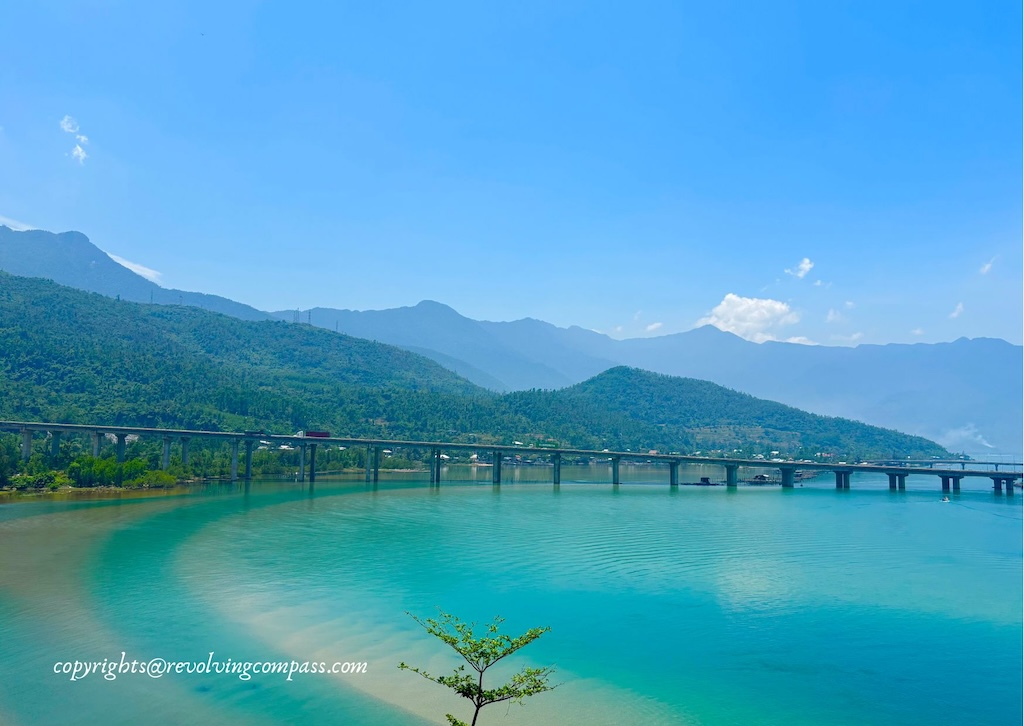
The only other place where I have seen such beautiful hues of water was on the beaches of Andaman on my 7 days trip to Andaman Islands. And there was also a railway line right besides the highway on which a train passed right when we had stopped to capture the breathtaking views of the lake. And the driver waved to us!!
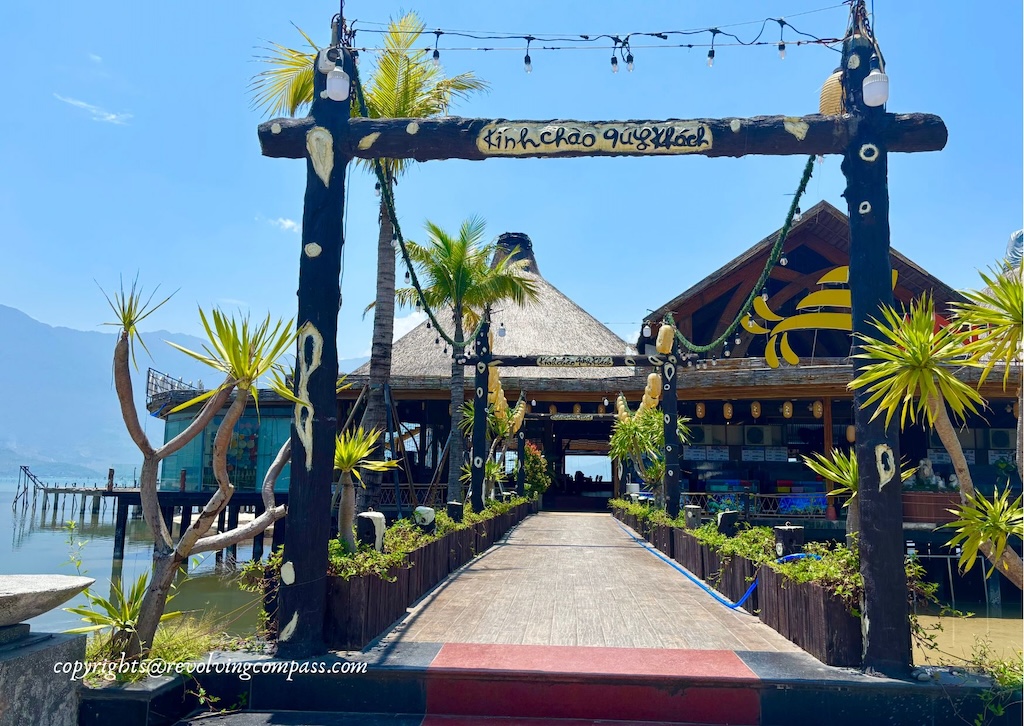
Then we went down the winding pathway, driving on the highway with the lake on one side, and several cafes and restaurants on the other. We stopped at one here for a refreshment.
The Hue Imperial Palace
Finally we reached the town of Hue. Our first stop here was the Hue Imperial Palace.
The Hue Imperial Palace, also known as the Imperial City (Kinh Thành Huế), is a grand walled fortress and palace complex in Hue, Central Vietnam. It was the political, cultural, and religious center of the Nguyen Dynasty, which ruled from 1802 to 1945 — Vietnam’s last imperial family.
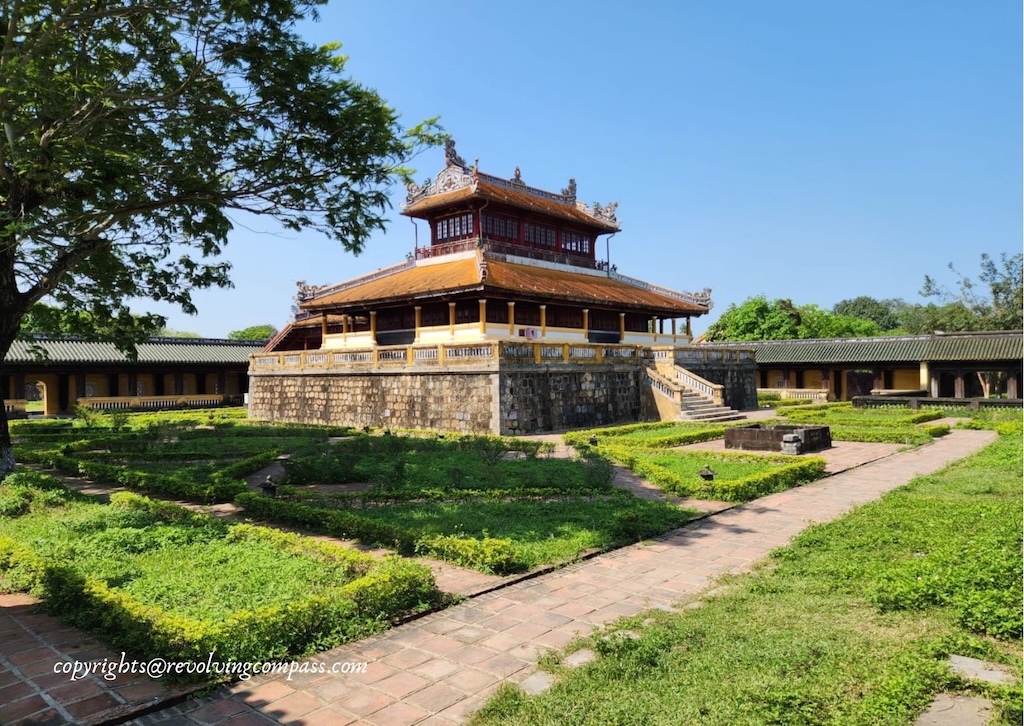
Surrounded by a large moat and thick stone walls, the palace was modeled after Beijing’s Forbidden City. Inside, you’ll find ceremonial gates, royal halls, temples, pavilions, and the emperor’s residences. Although some parts were damaged during wars, many structures have been restored and the site is now a UNESCO World Heritage Site.
Visitors can explore highlights like the Ngo Mon Gate, Thai Hoa Palace, the Forbidden Purple City, and lush royal gardens — all offering insight into Vietnam’s regal history and traditional architecture. It is so huge that one can easily spend a day here itself. However, we had several more places to visit on our day trip from Da Nang to Hue. So while we spent more time on some of the areas, we skimmed through some others. And finally completed our tour of the Hue Imperial Palace. I will write a dedicated post giving you a virtual tour of the Hue Imperial Palace. As one or two paragraphs are not at all sufficient to describe its grandeur.
Thien Mu Pagoda
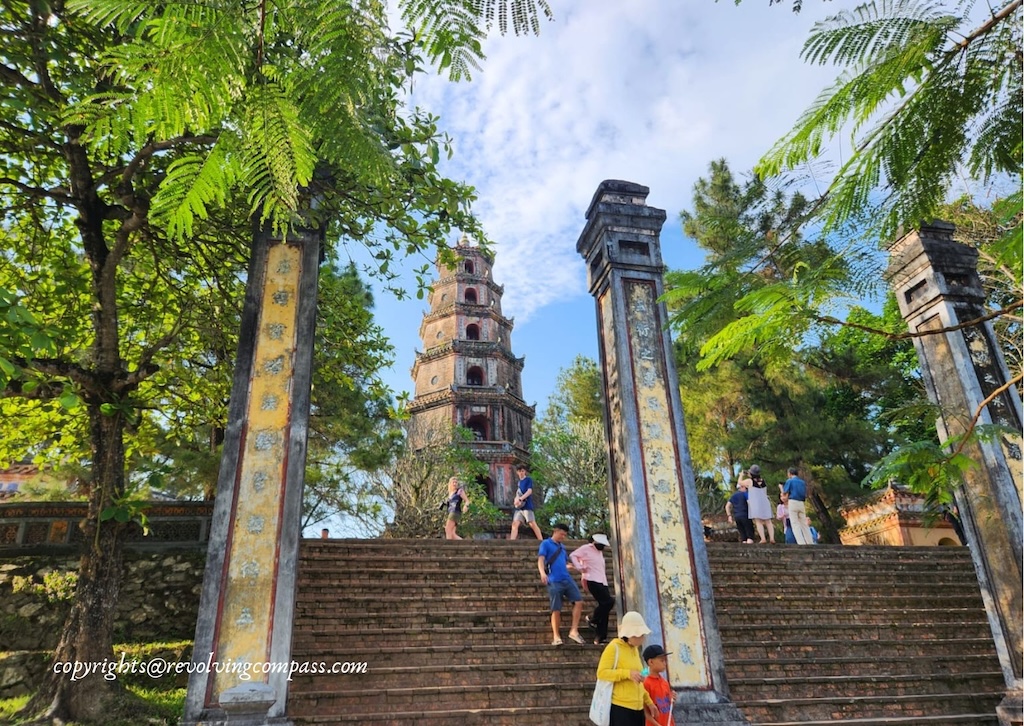
Next we stopped for lunch near the Hue Imperial Palace. And post lunch proceeded to Thien Mu Pagoda.
The Thien Mu Pagoda (Pagoda of the Celestial Lady) is one of the most iconic and historic landmarks in Hue, Vietnam. Perched on a hill overlooking the Perfume River, this seven-story pagoda was originally built in 1601 and has since become a symbol of the city. Surrounded by peaceful gardens and ancient pine trees, the pagoda complex includes a main tower, a bell tower, and several temples and shrines. It holds great spiritual significance and is closely tied to Vietnam’s Buddhist history, also famously associated with Thich Quang Duc, the monk who self-immolated in protest during the 1960s. With its striking architecture and serene atmosphere, Thien Mu Pagoda offers both cultural insight and a tranquil escape.
Boating on the Perfume River in Hue
Right opposite the Thien Mu Pagoda lies the boathouse to buy tickets and go on a boating trip over the Perfume River. The colorful boats gliding over the calm river with the setting sun in the backdrop make for a perfect evening. However, we didn’t have enough time to go boating on the Perfume River. So we skipped this part. Here’s a brief introduction to the Perfume River –
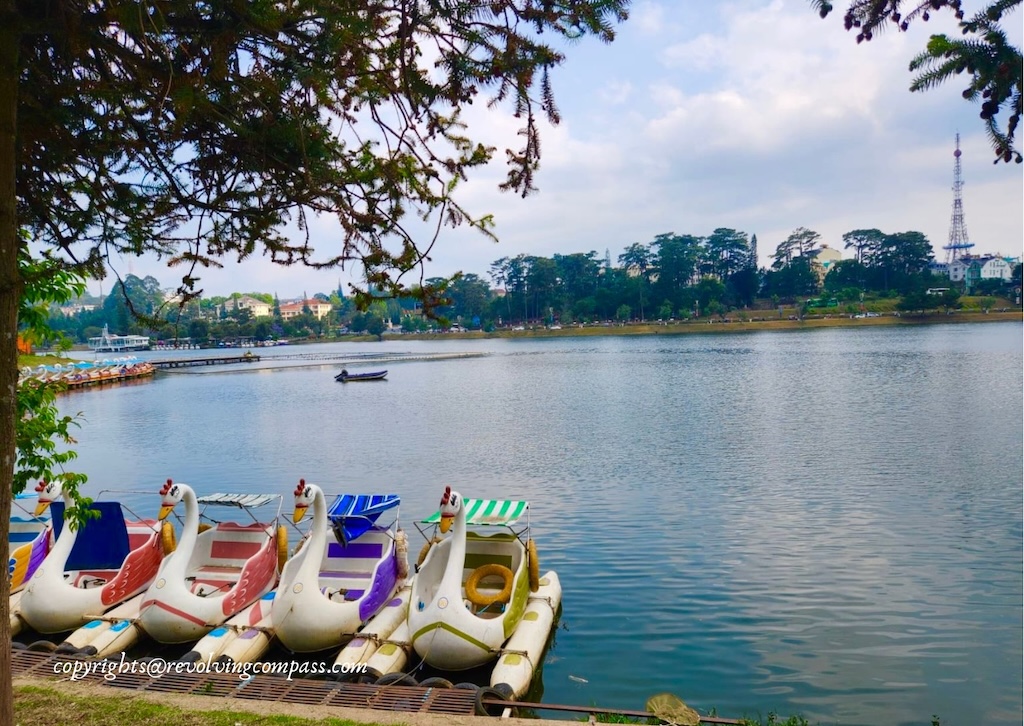
The Perfume River (Sông Hương) flows gracefully through the heart of Hue, adding to the city’s poetic charm and historic ambiance. Named for the fragrant blossoms that once fell into its waters from nearby orchards, the river is closely tied to Hue’s cultural and imperial legacy. A popular way to experience it is by taking a traditional dragon boat ride, which offers scenic views of the city’s landmarks, including the Imperial Citadel, pagodas, and royal tombs. Visitors can choose from short sightseeing cruises, sunset rides, or longer trips with onboard folk music performances and dinner, making it a peaceful and memorable way to explore Hue. So, if you have time for it, do explore the beauty of the Perfume River while in Hue.
The Hue Mausoleums or the Royal Tombs of Hue
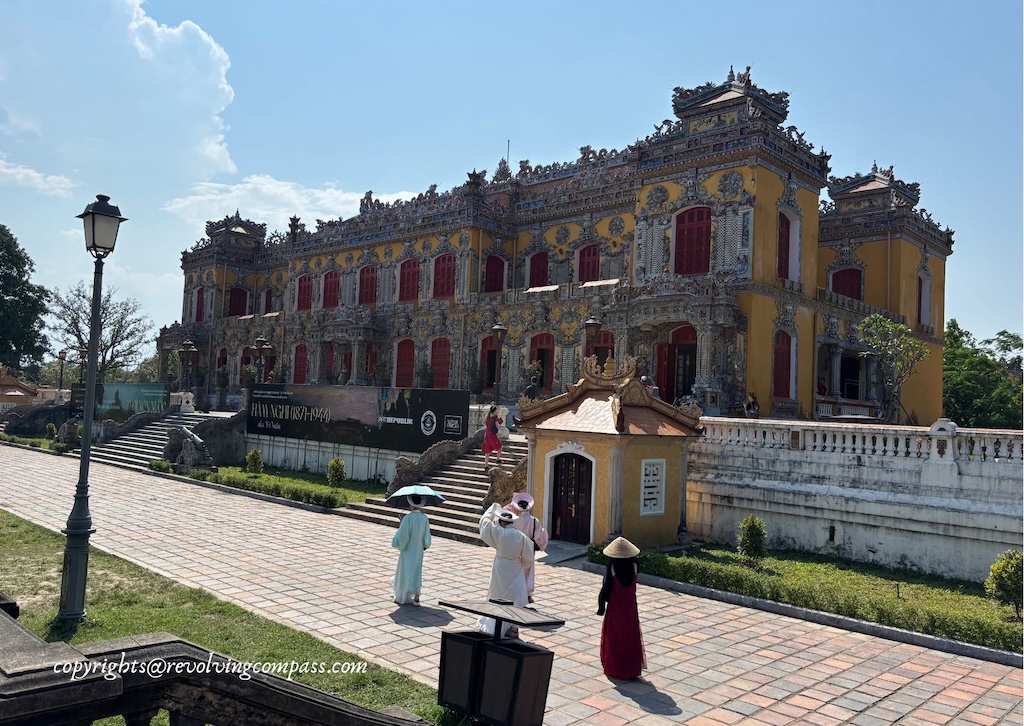
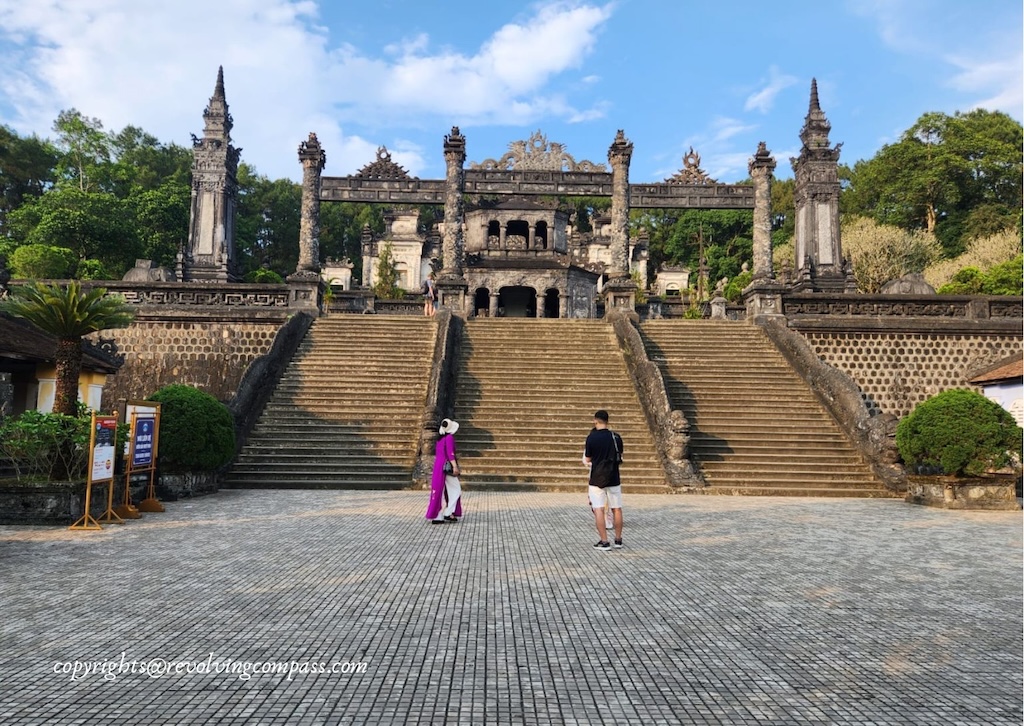
Next we visited the Hue Mausoleums. The Hue Mausoleums, also known as the Royal Tombs of the Nguyen Emperors, are a series of grand, architecturally distinct burial sites located along the Perfume River near Hue. Each tomb reflects the personality and legacy of the emperor it was built for, blending traditional Vietnamese design with elements of Chinese and European styles.
Among the most notable are
- Tomb of Minh Mang, known for its symmetry and serene setting;
- The Tomb of Tu Duc, with its poetic atmosphere and tranquil gardens;
- Tomb of Khai Dinh, famed for its ornate, mosaic-covered interior and fusion of Eastern and Western influences.
These mausoleums not only serve as resting places but also as cultural and historical monuments showcasing the artistry and power of Vietnam’s imperial past. These reminded me of the mausoleums of the Bada Bagh in Jaisalmer in Rajasthan. Such a parallel in the culture of the two countries!!
After visiting the Hue Mausoleums, we started on our trip back to Da Nang. More than satisfied with the beautiful day we spent exploring some of the most beautiful natural beauties and architectural wonders of Vietnam.

General information on doing a day trip from Da Nang to Hue
How to travel from Da Nang to Hue ?
There are several options to travel from Da Nang to Hue. These include –
-
Private Car: Best for flexibility. Stop at scenic spots like Hai Van Pass and Lang Co Beach en route.
-
Group Tour: Many operators offer day trips with guides, lunch, and entry fees included.
-
Train: A scenic but slower option (~3.5 hours). Great for the views, but not ideal for a packed day.
-
Motorbike: Adventurous travelers may opt to ride through the Hai Van Pass, considered one of Vietnam’s most scenic roads.
The most convenient is a private taxi for the day if you are in a group. you can book one from getyourguide or from Klook. Or, if you are traveling solo, you can take a shared taxi, a group tour or a train ride which will be more economical as well as social for you.
When is the best time to do a day trip from Da Nang to Hue?
-
Ideal Months: March to August – dry season with clear skies.
-
Avoid: September to December – rainy season in Central Vietnam, making travel less pleasant.
When we visited here in the month of April, Hue was hot and humid. But bearable. A cloudy day will make it more comfortable for you as mostly you will be under the open sky while exploring places to see in Hue.
What to pack for a trip from Da Nang to Hue?
A sunscreen lotion, a hat, plenty of drinking water or fruit juices, comfortable walking shoes and light breathable cloths are best to explore Hue. As it is mostly warm and humid all through the year. Do not forget your camera or phone with good battery — there’s a lot to capture! And an umbrella, particularly if visiting in the rainy season.
Can I do a day trip from Hoi An to Hue ?
Hoi An is almost like a twin town of Da Nang. A day trip from Hoi An to Hue is also a good option if you are staying in Hoi An instead of Da Nang. It takes almost the same amount of time to drive from Hoi An to Hue as well. And the same tour companies which provide a day trip from Da Nang to Hue also provide for a day trip from Hoi An to Hue. You can check this Hoi An to Hue day trip on Klook.
Conclusion
Though Hue deserves more than a single day, a well-planned trip from Da Nang can still give you a meaningful glimpse into Vietnam’s regal past. From ancient palaces and tombs to peaceful pagodas and delicious food, Hue is a cultural treasure — and it’s just a day away.